
If you’ve been told you have shoulder instability—or your shoulder feels loose, weak, or unreliable—physical therapy is often one of the most effective ways to restore strength and stability without surgery.
A structured therapy program can help you regain control of your shoulder, reduce pain, and prevent future injuries.
Why Physical Therapy Matters for Shoulder Instability
The shoulder depends heavily on surrounding muscles to stay stable. When those muscles are weak or not working properly, the joint becomes more vulnerable to slipping or dislocating.
Physical therapy focuses on:
- Strengthening stabilizing muscles
- Improving joint control
- Restoring proper movement patterns
- Reducing strain on injured tissues
Key Goals of Shoulder Instability Therapy
A physical therapy program is designed to:
1. Strengthen the Rotator Cuff
These muscles help hold the shoulder in place. Strengthening them is essential for stability.
2. Improve Shoulder Blade (Scapular) Control
Proper movement of the shoulder blade plays a major role in overall shoulder function.
3. Enhance Proprioception
This is your body’s ability to sense joint position. Improving it helps prevent the shoulder from slipping out of place.
4. Restore Range of Motion Safely
Therapy helps you regain movement without overstressing the joint.
Common Physical Therapy Exercises
Your therapist may guide you through exercises such as:
- Resistance band rotations
- Scapular stabilization exercises
- Controlled strengthening movements
- Balance and coordination drills for the shoulder
Each program is customized based on your condition and activity level.
How Long Does Recovery Take?
Recovery timelines vary depending on the severity of instability and your commitment to therapy.
- Mild cases may improve in a few weeks
- More advanced instability may take several months of consistent therapy
The key is sticking with the program and progressing safely.
When Is Physical Therapy Not Enough?
While many patients improve without surgery, therapy alone may not be sufficient if:
- You have repeated dislocations
- There is significant structural damage
- The shoulder continues to feel unstable despite rehab
In these cases, a specialist may recommend additional treatment options.
Preventing Future Shoulder Problems
Even after recovery, continuing strengthening exercises can help prevent recurrence.
Simple steps include:
- Maintaining shoulder strength
- Warming up before activity
- Avoiding overuse
- Practicing proper technique in sports
Start Your Recovery with Expert Care
At Plano Orthopedic & Sports Medicine Center, our physical therapy team works closely with our physicians to create personalized treatment plans for shoulder instability and other orthopedic conditions.
If your shoulder feels unstable or you’ve had a recent injury, physical therapy can be a critical step toward recovery and long-term joint health.
Allen Physical Therapy Center
Contact Us Directly: 972-359-1288
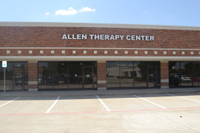 1223 McDermott Suite 50, Allen, TX 75013
Phone: 972-359-1288
Fax: 469-281-2458
Hours: Monday-Thursday 7 a.m. – 7 p.m.
Friday 7 a.m. – 5 p.m.