
Hearing your shoulder click, pop, or catch can be concerning—especially if the sensation is accompanied by pain or weakness.
Fortunately, many shoulder conditions can improve significantly with physical therapy, helping patients restore function, reduce discomfort, and potentially avoid surgery.
Why Does the Shoulder Click or Pop?
The shoulder relies on a complex system of muscles, tendons, ligaments, and cartilage to remain stable during movement.
When these structures become injured or weakened, abnormal movement patterns can develop, leading to:
- Clicking
- Popping
- Catching
- Grinding sensations
- Feelings of instability
Physical therapy is often one of the first treatments recommended for these symptoms.
How Physical Therapy Helps
The goal of therapy is to improve the way the shoulder moves and functions.
Treatment may focus on:
Improving Shoulder Stability
Weak stabilizing muscles can allow excessive motion within the joint.
Strengthening the rotator cuff and surrounding muscles helps improve shoulder control and reduce abnormal movement.
Restoring Proper Mechanics
Poor posture, muscle imbalances, and movement dysfunction can place additional stress on the shoulder.
Therapy helps retrain proper movement patterns to reduce irritation and improve efficiency.
Increasing Strength
Many shoulder conditions lead to weakness that affects daily activities and athletic performance.
A customized strengthening program can help restore function and confidence.
Improving Flexibility and Mobility
Tight muscles and restricted joint mobility may contribute to painful clicking or popping.
Stretching and mobility exercises can improve movement while reducing stress on injured tissues.
Conditions That Often Respond Well to Therapy
Physical therapy is frequently successful for:
- Shoulder impingement
- Rotator cuff tendinitis
- Mild instability
- Muscle imbalances
- Postural dysfunction
- Certain labral injuries
- Recovery following shoulder injuries
Every patient responds differently, but many experience meaningful improvement without surgery.
When Therapy Alone May Not Be Enough
While therapy can be highly effective, some conditions may require additional treatment.
Examples include:
- Large rotator cuff tears
- Significant labral tears
- Recurrent shoulder dislocations
- Loose bodies within the joint
- Advanced arthritis
Even when surgery becomes necessary, physical therapy often plays a critical role before and after the procedure.
Can Physical Therapy Help You Avoid Surgery?
In many cases, yes.
Research consistently shows that conservative treatment—including physical therapy—can successfully manage many common shoulder conditions.
The key is receiving an accurate diagnosis and beginning treatment before symptoms worsen.
When to See a Physical Therapist
Consider an evaluation if you experience:
- Persistent shoulder clicking or popping
- Pain with movement
- Weakness during lifting
- Difficulty reaching overhead
- Shoulder instability
- Reduced range of motion
Early intervention often leads to faster recovery and better long-term outcomes.
Start Moving Better Today
A clicking or popping shoulder doesn’t always mean surgery is necessary.
Physical therapy can help improve strength, stability, mobility, and overall shoulder function while reducing pain and restoring confidence in everyday activities.
If shoulder symptoms are interfering with your work, sports, or daily life, the physical therapy team at POSMC can develop a personalized treatment plan designed to get you moving comfortably again.
Allen Physical Therapy Center
Contact Us Directly: 972-359-1288
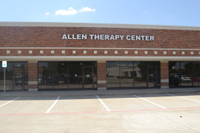 1223 McDermott Suite 50, Allen, TX 75013
Phone: 972-359-1288
Fax: 469-281-2458
Hours: Monday-Thursday 7 a.m. – 7 p.m.
Friday 7 a.m. – 5 p.m.