
If you’ve undergone surgery to correct recurrent patella subluxation or kneecap instability, you’re likely eager to get back to normal activities. While surgery is an important step toward restoring knee stability, physical therapy plays a critical role in achieving the best possible outcome.
Successful recovery doesn’t end in the operating room. A structured rehabilitation program helps restore strength, mobility, and confidence while reducing the risk of future knee problems.
Why Physical Therapy Is Essential After Surgery
Patella stabilization procedures are designed to improve the position and function of the kneecap, but the surrounding muscles, ligaments, and soft tissues still need time to heal and adapt.
Physical therapy helps patients:
- Regain knee motion
- Reduce swelling and stiffness
- Restore strength
- Improve balance and coordination
- Return safely to sports and daily activities
- Protect the surgical repair during healing
Skipping or delaying rehabilitation can slow recovery and limit overall results.
The Early Recovery Phase
During the first few weeks after surgery, the primary goals are to protect the repair while gradually restoring motion.
Physical therapy may focus on:
- Controlling swelling
- Pain management
- Gentle range-of-motion exercises
- Improving circulation
- Activating the quadriceps muscles
Patients may initially use crutches and a knee brace depending on the specific procedure performed and their surgeon’s recommendations.
Restoring Range of Motion
After knee surgery, stiffness is common.
One of the first priorities in therapy is helping patients gradually regain the ability to bend and straighten the knee.
Therapists use carefully guided exercises to improve mobility while avoiding excessive stress on the healing tissues.
Restoring motion early often helps improve long-term outcomes and prevents unnecessary stiffness.
Rebuilding Strength
As healing progresses, strengthening becomes a major focus of rehabilitation.
Important muscle groups include:
Quadriceps
The quadriceps play a vital role in controlling kneecap movement and stabilizing the knee.
Gluteal Muscles
Strong hips help reduce stress on the knee and improve overall lower extremity alignment.
Hamstrings and Core Muscles
These muscle groups contribute to balance, movement control, and athletic performance.
Therapy exercises are introduced gradually to ensure the knee remains protected while strength improves.
Improving Balance and Stability
Following surgery, many patients experience decreased confidence in the knee.
Balance and proprioception training help restore the body’s awareness of joint position and movement.
Examples may include:
- Single-leg balance exercises
- Stability training
- Controlled movement drills
- Functional strengthening activities
These exercises help prepare patients for more advanced activities later in recovery.
Returning to Daily Activities
As strength and mobility improve, therapy progresses toward everyday movements such as:
- Walking
- Climbing stairs
- Squatting
- Getting in and out of a vehicle
- Returning to work activities
The timeline varies based on the individual and the type of surgery performed.
Returning to Sports
Athletes often ask the same question:
“When can I play again?”
The answer depends on several factors, including:
- Healing progress
- Strength recovery
- Knee stability
- Sport-specific demands
Before returning to sports, patients typically complete advanced rehabilitation that may include:
- Agility training
- Jumping drills
- Cutting and pivoting exercises
- Sport-specific movement training
Returning too soon can increase the risk of reinjury, which is why clearance from both the surgeon and therapist is important.
How Long Does Recovery Take?
Every patient recovers at a different pace.
While basic daily activities often improve within the first several weeks, full recovery may take several months depending on:
- The severity of the original instability
- The surgical procedure performed
- Overall health and fitness
- Consistency with therapy
Patience and commitment to the rehabilitation process are key to achieving the best results.
The Importance of Following Your Rehabilitation Plan
Patients who actively participate in therapy often experience:
- Better knee function
- Improved strength
- Greater stability
- Increased confidence during activity
- Lower risk of future instability episodes
Your rehabilitation plan is designed specifically to help you achieve a safe and successful recovery.
Recover Stronger with Physical Therapy at POSMC
At Plano Orthopedic & Sports Medicine Center, our physical therapy team works closely with our orthopedic specialists to help patients recover following patella stabilization surgery and other knee procedures.
Through personalized treatment plans, progressive strengthening programs, and sport-specific rehabilitation, we help patients safely return to the activities they enjoy.
If you’re preparing for knee surgery or are currently recovering from a patella stabilization procedure, our team is here to guide you every step of the way toward a stronger, more stable knee.
Richardson Therapy Center
Contact Us Directly: 972-250-5690
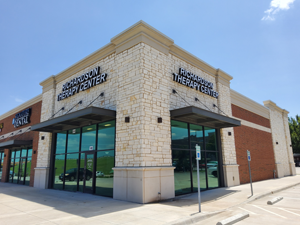 2040 E. Pres. George Bush Hwy Suite. 100
Richardson, TX 75082
Phone: 972-250-5690
Fax: 844-250-2431
Hours: Monday-Thursday 7 a.m. – 7 p.m.
Friday 7 a.m. – 5 p.m.