
If you or your child has been diagnosed with osteochondritis dissecans (OCD) of the knee, you may be wondering what recovery will involve.
Will physical therapy help? When is it safe to exercise? And how long will it take to return to sports or normal activities?
Osteochondritis dissecans affects the bone beneath the cartilage in the knee. Because the affected area needs time to heal, rehabilitation requires a careful balance between protecting the joint and restoring strength and mobility.
Physical therapy can help patients recovering from osteochondritis dissecans of the knee regain motion, rebuild muscle strength, improve balance, and return to activity safely. However, rehabilitation must be coordinated with the orthopedic treatment plan, because certain exercises and weight-bearing activities may need to be restricted while the lesion heals.
At Plano Orthopedic & Sports Medicine Center (POSMC), our physical therapy team provides individualized rehabilitation for knee conditions, sports injuries, and postoperative recovery.
Why Is Physical Therapy Important for OCD of the Knee?
When osteochondritis dissecans develops, a small area of bone beneath the cartilage becomes damaged.
Depending on the lesion’s stability, treatment may require a period of reduced activity, protected weight-bearing, or surgery.
During recovery, patients may experience:
- Weakness in the muscles supporting the knee
- Stiffness or reduced range of motion
- Difficulty walking normally
- Reduced balance and coordination
- Loss of conditioning
- Hesitation about returning to sports
Physical therapy addresses these functional problems while respecting the healing process.
Importantly, physical therapy doesn’t directly reattach a loose bone or cartilage fragment or replace the need for appropriate orthopedic treatment.
Its role is to support safe movement and recovery as the underlying condition is managed.
When Can Physical Therapy Begin?
The timing depends on the patient’s age, lesion stability, treatment approach, and healing progress.
For some patients, early rehabilitation may involve only gentle, approved movements and exercises that don’t place significant stress on the affected area.
Other patients may need a period of immobilization or restricted weight-bearing before beginning more active therapy.
If surgery is required, the orthopedic specialist will establish postoperative restrictions and a rehabilitation timeline.
Patients should not begin running, jumping, deep squatting, or other high-load knee exercises without clearance from their treating orthopedic specialist.
The safest rehabilitation plan is one that matches the stage of healing.
How Does Physical Therapy Restore Knee Strength?
When patients reduce activity to protect an OCD lesion, the muscles surrounding the knee can become weaker.
This is particularly noticeable in the quadriceps, which help control knee movement and support everyday activities such as standing, walking, and climbing stairs.
Once strengthening is permitted, a physical therapist may introduce carefully selected exercises targeting the:
Quadriceps
These muscles help control knee extension and support movement.
Early exercises may include gentle muscle activation, progressing to more demanding strengthening as healing allows.
Hamstrings
The hamstrings work with other muscles to control knee movement.
Appropriate strengthening helps restore balanced muscle function.
Hip and Gluteal Muscles
Hip strength influences how the lower extremity moves during walking, running, and other activities.
Improving hip control can support more efficient movement patterns.
Calf Muscles
The calf muscles contribute to walking, balance, and lower-extremity function.
Exercises are selected according to the patient’s permitted weight-bearing level and overall progress.
Strengthening should be gradual and based on symptoms, functional performance, and orthopedic restrictions.
Can Physical Therapy Improve Knee Stiffness?
Yes.
Periods of reduced activity or immobilization may cause the knee to become stiff.
Some patients have difficulty fully bending or straightening the joint after treatment.
Physical therapy may include gentle range-of-motion exercises to help restore mobility.
The specific movements depend on the location of the lesion and the treatment plan.
For example, a patient recovering from surgery may have temporary restrictions on knee bending or weight-bearing.
The goal is to improve motion without placing excessive stress on healing bone or cartilage.
How Does Physical Therapy Help With Walking and Balance?
After weeks or months of limited activity, even normal walking can feel unfamiliar.
Patients may favor one leg, take shorter steps, or avoid putting full weight on the affected knee.
When permitted, physical therapy can help restore a more natural walking pattern.
Treatment may focus on:
- Appropriate weight-bearing progression
- Walking mechanics
- Balance exercises
- Lower-extremity coordination
- Joint position awareness
- Safe stair negotiation
For athletes, these skills become especially important when preparing to return to running, cutting, jumping, or changing direction.
However, higher-impact activities should only be introduced when healing and functional readiness have been established.
What Does Physical Therapy Look Like After OCD Knee Surgery?
Some patients with unstable lesions or lesions that don’t heal with nonsurgical care require surgery.
Depending on the procedure, treatment may involve drilling, fixation of a fragment, or cartilage restoration techniques.
Postoperative rehabilitation varies according to the operation performed.
Early Recovery
The initial phase may focus on protecting the surgical area, managing swelling, maintaining permitted motion, and preventing unnecessary muscle loss.
Crutches or a brace may be required.
Progressive Strengthening
As healing progresses and restrictions are reduced, therapy may introduce more active strengthening and controlled functional exercises.
Restoring Everyday Activities
Patients work toward improved walking, stair climbing, balance, and normal daily movement.
Return-to-Sport Preparation
For athletes, later rehabilitation may include progressive conditioning, sport-specific movement, and functional testing.
Returning to sports depends on both biological healing and functional recovery—not simply how many weeks have passed since surgery.
The orthopedic specialist and physical therapist work together to determine appropriate progression.
Can Physical Therapy Help Young Athletes With OCD?
Yes, when incorporated at the appropriate stage of treatment.
Osteochondritis dissecans is particularly important in young athletes because their knees are still developing.
In patients whose growth plates remain open, stable lesions may have a greater potential to heal with nonsurgical treatment.
However, protecting the affected area is essential.
Young athletes may find activity restrictions frustrating, especially when they’re eager to return to their teams.
Physical therapy can help them understand the recovery process and work toward achievable goals without rushing healing.
As restrictions are lifted, rehabilitation can focus on rebuilding strength, movement control, and sport-specific function.
Parents and coaches should follow the orthopedic team’s recommendations rather than using pain relief alone as a sign that the athlete is ready to compete.
What Exercises Should Be Avoided During OCD Recovery?
The answer depends on the lesion and stage of healing.
Activities that place substantial impact or compressive forces through the affected area may need to be limited.
These can include:
- Running
- Jumping
- Pivoting and cutting
- High-impact sports
- Deep loaded squats
- Heavy lower-body resistance exercises
Some of these activities may be appropriate later in rehabilitation.
The important issue is timing.
A physical therapist can help identify which movements are safe, which should be modified, and which need to wait until healing is confirmed.
How Long Does Physical Therapy Take?
There is no universal rehabilitation timeline for osteochondritis dissecans.
Some patients require a prolonged period of activity restriction before progressing to more demanding exercises.
Others need structured postoperative rehabilitation over several months.
The timeline depends on:
- Lesion size and stability
- Age and skeletal maturity
- Whether surgery was performed
- Type of surgical procedure
- Weight-bearing restrictions
- Imaging evidence of healing
- Strength and mobility
- Desired activity level
Your rehabilitation program should progress according to your individual recovery rather than a fixed schedule.
When Should You Return to the Orthopedic Specialist?
Physical therapy is an important part of recovery, but it doesn’t replace orthopedic follow-up.
Contact your orthopedic team if you experience:
- Increasing knee pain
- New or worsening swelling
- Repeated catching or locking
- A sudden loss of motion
- Difficulty bearing weight
- Symptoms that worsen during rehabilitation
- Failure to progress as expected
A knee that becomes locked or cannot bear weight warrants prompt medical assessment.
Your orthopedic specialist may recommend additional imaging or changes to the treatment plan.
How Do You Know When It’s Safe to Return to Sports?
Returning to sports is an important milestone, particularly for children and teenagers.
However, feeling better isn’t the same as being fully healed.
Before returning to unrestricted athletic activity, your orthopedic team may evaluate:
- Healing on follow-up imaging when indicated
- Pain and swelling
- Knee range of motion
- Muscle strength
- Balance and movement control
- Ability to perform sport-specific activities
- Functional testing results
A gradual return-to-sport program can help patients rebuild confidence and physical readiness.
Some athletes require additional time even after everyday activities become comfortable.
Frequently Asked Questions About Physical Therapy for OCD of the Knee
Can physical therapy heal osteochondritis dissecans?
Physical therapy supports rehabilitation but doesn’t independently heal or reattach an unstable fragment. Healing depends on lesion characteristics and the orthopedic treatment plan.
Is physical therapy recommended for children with OCD of the knee?
It may be recommended as part of treatment or recovery. The timing and exercises must be appropriate for the child’s lesion stability and healing stage.
Can I exercise while recovering from OCD?
Certain exercises may be permitted, but activities that stress the lesion may need to be restricted. Follow your orthopedic specialist’s and physical therapist’s instructions.
Will I need physical therapy after OCD surgery?
Rehabilitation is commonly part of recovery after surgery, although the specific program depends on the procedure and surgeon’s instructions.
Can physical therapy help prevent knee stiffness?
Appropriate mobility exercises can help address stiffness, provided they follow the restrictions needed to protect the healing area.
When can an athlete start running again?
Running should resume only after the orthopedic team determines that healing and functional recovery are sufficient. The timing varies by patient.
Personalized Knee Rehabilitation at Plano Orthopedic & Sports Medicine Center
Recovering from osteochondritis dissecans requires patience, appropriate medical guidance, and a rehabilitation program designed around the knee’s healing process.
At Plano Orthopedic & Sports Medicine Center, our physical therapy team works with patients recovering from knee injuries, cartilage conditions, and orthopedic procedures.
Our rehabilitation centers in Plano, Frisco, Allen, and Richardson provide individualized physical therapy focused on restoring movement, strength, balance, and confidence.
Whether you’re helping a young athlete recover from OCD of the knee or working toward better mobility after treatment, our team can help guide the rehabilitation process.
Ready to take the next step toward recovery?
Call 972-250-5700 or visit www.posmc.com to learn more about orthopedic evaluation and physical therapy services.
Frisco Physical Therapy Center
Contact Us Directly: 972-250-5777
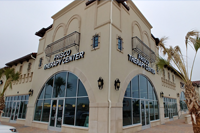 6363 North Dallas Pkwy. Suite 207, Frisco, TX 75034
Phone: 972-250-5777
Fax: 855-271-2432
Hours: Monday – Thursday 7 a.m. – 6:30 p.m.
Friday 7 a.m. – 5 p.m