
If you’ve been diagnosed with lumbar spinal stenosis, you may have noticed that everyday activities aren’t as comfortable as they used to be.
Walking through a store, standing while preparing dinner, or spending time on your feet may bring on aching, tingling, numbness, or heaviness in your legs.
Sometimes, simply sitting down provides relief.
Lumbar spinal stenosis occurs when the spaces surrounding nerves in the lower back become narrowed. Although this narrowing may be related to age-related changes in the spine, the symptoms and limitations can vary significantly from one person to another.
For many patients, physical therapy is an important part of nonsurgical treatment.
Physical therapy can help people with lumbar spinal stenosis improve mobility, strengthen supporting muscles, build walking endurance, and learn ways to manage symptoms during daily activities. While therapy cannot reverse the structural narrowing of the spinal canal, an individualized rehabilitation program may reduce discomfort and improve function.
Understanding how physical therapy works can help patients take a more active role in their recovery.
Why Is Physical Therapy Recommended for Lumbar Spinal Stenosis?
Lumbar stenosis can affect how comfortably a person stands, walks, bends, and performs daily activities.
When symptoms become uncomfortable, people often begin avoiding movement.
Over time, reduced activity can contribute to muscle weakness, decreased endurance, and additional difficulty completing normal tasks.
Physical therapy aims to address these functional problems.
Rather than focusing only on the spinal narrowing itself, a physical therapist evaluates how the condition affects movement, strength, balance, and activity tolerance.
Treatment is then tailored to the patient’s symptoms and goals.
For example, one patient may want to walk farther without stopping. Another may want to return to gardening, household chores, or recreational activities.
The rehabilitation program should reflect those individual priorities.
What Symptoms Can Physical Therapy Help Manage?
Physical therapy may be helpful for patients experiencing symptoms such as:
- Lower back discomfort associated with lumbar stenosis
- Leg pain or aching during walking
- Numbness or tingling that changes with posture
- Reduced walking or standing tolerance
- Stiffness and limited mobility
- Muscle weakness or reduced endurance
- Difficulty performing everyday activities
Not every symptom will respond to physical therapy in the same way.
A therapist should monitor how symptoms change and communicate concerns to the referring healthcare professional when additional evaluation is needed.
Why Does Walking Become Difficult With Lumbar Stenosis?
One of the characteristic symptoms of lumbar spinal stenosis is discomfort that develops while standing or walking.
This is often called neurogenic claudication.
Some patients experience pain, heaviness, numbness, or tingling in the buttocks or legs after walking a certain distance.
Symptoms may improve when sitting or bending forward.
The reason is related to how spinal position affects the space around the nerves.
Standing upright or extending the lower back may reduce that space, while bending forward can sometimes increase it.
Physical therapy can help patients identify positions and movement strategies that allow them to remain active with fewer symptoms.
What Happens During the First Physical Therapy Appointment?
The first visit generally begins with an evaluation.
Your physical therapist will ask about your symptoms, medical history, daily activities, and goals.
You may be asked how long you can stand or walk before discomfort begins and which positions make your symptoms better or worse.
The therapist may also assess:
- Spinal and hip mobility
- Lower-body strength
- Balance and coordination
- Walking patterns
- Posture and movement tolerance
- Functional activities such as standing and sitting
The evaluation helps determine which exercises and treatment strategies are appropriate.
Because lumbar stenosis affects patients differently, a personalized program is generally more useful than following a generic list of back exercises.
What Exercises Are Commonly Used for Lumbar Spinal Stenosis?
Physical therapy programs often include a combination of mobility, strengthening, conditioning, and functional exercises.
The specific exercises depend on the patient’s symptoms and examination findings.
Flexion-Based Exercises
Some patients feel more comfortable when the lower back is gently bent forward.
A physical therapist may use selected flexion-based exercises to help manage symptoms and improve movement tolerance.
These might include gentle pelvic tilts or other controlled movements.
However, not every patient benefits from the same positions.
Exercises should be chosen according to individual response rather than assuming that forward bending is always appropriate.
Core Strengthening
The muscles of the abdomen, back, and pelvis help support the spine during movement.
Strengthening these muscles may improve control and make everyday activities easier.
A therapist may begin with gentle exercises and gradually progress as strength and tolerance improve.
The goal is not necessarily to perform difficult abdominal exercises.
It is to develop the strength and control needed for daily movement.
Hip and Leg Strengthening
Lumbar stenosis can affect walking and standing, making lower-body strength especially important.
Exercises may target the hips, thighs, and other muscles involved in balance and mobility.
Improving strength can help patients perform tasks such as rising from a chair, climbing stairs, and walking.
Gentle Mobility Exercises
Reduced movement can contribute to stiffness.
Appropriate mobility exercises may help maintain flexibility in the hips and surrounding areas.
Stretching should be comfortable and controlled.
Aggressive stretching that increases radiating leg pain, numbness, or weakness should be avoided.
Cardiovascular Conditioning
Maintaining cardiovascular fitness is important, even when prolonged walking is uncomfortable.
Some patients tolerate a stationary bicycle or other supported exercise better than upright walking.
A therapist can help identify activities that allow conditioning without repeatedly provoking significant symptoms.
Is Walking Good for Lumbar Spinal Stenosis?
Walking can be beneficial, but the amount and method should be based on symptom tolerance.
Some patients can walk comfortably for extended periods.
Others may develop leg discomfort after only a short distance.
Physical therapy can help establish a manageable starting point and gradually work toward improved endurance.
Can Short Walking Intervals Help?
For some patients, shorter walking periods separated by rest breaks are more comfortable than one long walk.
A therapist may recommend a structured approach that allows activity without repeatedly pushing through severe symptoms.
The program can be adjusted as walking tolerance changes.
What if Walking Continues to Cause Leg Pain?
Persistent or worsening symptoms should be discussed with the therapist and referring specialist.
The goal is not to force patients to continue an activity that produces significant neurological symptoms.
Alternative exercises or further medical evaluation may be appropriate.
Can Physical Therapy Improve Balance and Stability?
Yes.
Some patients with lumbar stenosis experience changes in strength, sensation, or walking ability that affect balance.
Physical therapy may include exercises designed to improve coordination, lower-body control, and stability.
For older adults, these activities may also support confidence during everyday movement.
Balance exercises should be selected according to the patient’s abilities and fall risk.
Patients with significant weakness or difficulty walking may require additional evaluation.
Can Physical Therapy Help You Stand Longer?
It may.
Standing tolerance is a common concern for patients with lumbar stenosis.
Activities such as cooking, shopping, attending events, and performing household tasks can become uncomfortable.
A therapist may work on posture, lower-body strength, endurance, and strategies for changing positions during activities.
For example, taking planned breaks or modifying the way a task is performed may help reduce symptoms.
The goal is to make daily activities more manageable while avoiding unnecessary aggravation.
How Can Physical Therapy Help With Everyday Activities?
Rehabilitation should extend beyond exercises performed in the clinic.
Patients need practical ways to manage symptoms during normal routines.
A physical therapist may discuss how to:
- Break longer activities into manageable periods
- Alternate between sitting and standing
- Use comfortable movement strategies
- Modify household tasks when needed
- Maintain safe physical activity
- Recognize symptoms that indicate the need for rest or reassessment
These strategies can help patients remain involved in daily life while working toward better mobility.
Can Physical Therapy Reverse Lumbar Spinal Stenosis?
No.
Physical therapy does not remove bone spurs, reverse significant degenerative changes, or physically enlarge a narrowed spinal canal.
However, it may improve how a person functions despite those structural changes.
This distinction is important.
A patient may experience meaningful improvement in walking tolerance, strength, or daily comfort even when imaging findings remain unchanged.
Treatment success is often measured by improved function and quality of life rather than changes on an MRI.
How Long Does Physical Therapy Take to Help Lumbar Stenosis?
There is no universal timeline.
Some patients notice improvement in symptoms or movement tolerance within several weeks.
Others may need a longer period of treatment, especially when weakness, reduced endurance, or chronic symptoms have developed.
Progress depends on factors such as symptom severity, overall health, activity level, and consistency with the recommended program.
A therapist should periodically reassess progress and adjust the plan as needed.
If meaningful improvement is not occurring, the patient may need further evaluation by the orthopedic specialist.
Can Physical Therapy Help Avoid Lumbar Stenosis Surgery?
For some patients, physical therapy can improve symptoms and function enough that surgery is not needed.
However, it cannot guarantee that surgery will be avoided.
Patients with severe limitations, progressive neurological weakness, or symptoms that remain significantly disabling despite appropriate nonsurgical treatment may need to discuss additional options.
These may include injections or surgical decompression, depending on the individual condition.
Physical therapy is one part of a broader treatment plan.
When Should Physical Therapy Be Reconsidered or Stopped?
Exercises should not cause progressively worsening neurological symptoms.
If a patient develops increasing leg weakness, worsening numbness, or a significant decline in walking ability, the treatment plan should be reassessed.
The physical therapist may recommend follow-up with the orthopedic spine specialist.
What Symptoms Require Immediate Medical Attention?
New loss of bladder or bowel control, inability to urinate, numbness around the groin or saddle area, or rapidly worsening leg weakness require emergency medical evaluation.
These symptoms may indicate serious nerve compression and should not be managed by continuing physical therapy or waiting for the next scheduled appointment.
Can Physical Therapy Help After Lumbar Stenosis Surgery?
Yes, when recommended by the treating surgeon.
Some patients benefit from rehabilitation after spinal decompression or other procedures.
Postoperative physical therapy may focus on walking, mobility, strength, and gradually returning to daily activities.
However, the appropriate timing and exercises depend on the surgery performed and the surgeon’s instructions.
Patients should not begin or advance postoperative exercises without following their individualized recovery plan.
How Do Physical Therapists and Orthopedic Spine Specialists Work Together?
Lumbar stenosis treatment often involves coordination between the orthopedic specialist and physical therapist.
The orthopedic specialist evaluates the condition, reviews imaging when appropriate, and determines whether nonsurgical or surgical treatment is indicated.
The physical therapist addresses movement limitations, strength, endurance, and functional goals.
When symptoms change or progress is limited, communication between the two helps guide the next steps.
For additional information about the underlying condition, read our companion article, “What Causes Lumbar Stenosis, and When Should It Be Evaluated by an Orthopedic Specialist?”
Frequently Asked Questions About Physical Therapy for Lumbar Stenosis
Is physical therapy effective for lumbar spinal stenosis?
Physical therapy can improve symptoms and functional ability for some patients, particularly through individualized exercise, conditioning, and movement strategies. Results vary.
What is the best exercise for lumbar stenosis?
There is no single best exercise for everyone. A therapist may recommend selected mobility exercises, core strengthening, lower-body conditioning, or activities such as stationary cycling based on individual symptoms.
Can walking make lumbar stenosis worse?
Walking may temporarily increase symptoms in some patients, particularly during prolonged upright activity. A therapist can help determine an appropriate activity level and identify alternatives when necessary.
Should you stretch your lower back if you have stenosis?
Some gentle movements may be helpful, but stretching should be individualized. Avoid forcing positions that increase radiating pain, numbness, or weakness.
Can physical therapy relieve leg pain caused by stenosis?
It may help some patients manage leg symptoms and improve activity tolerance. Persistent or worsening neurological symptoms require reassessment.
How many physical therapy sessions will I need?
The number depends on your symptoms, functional limitations, progress, and treatment goals. Your therapist can recommend a plan after evaluation.
Can lumbar stenosis be treated without surgery?
Yes. Many patients begin with nonsurgical treatment, including physical therapy, activity modification, and other options recommended by their healthcare professional.
When should I see a spine specialist instead of continuing therapy?
Seek reassessment if symptoms worsen, weakness develops, walking becomes increasingly difficult, or therapy is not providing adequate improvement. Emergency neurological symptoms require immediate care.
Staying Active With Lumbar Spinal Stenosis
Living with lumbar stenosis can be frustrating, especially when walking and standing become uncomfortable.
But reduced mobility doesn’t always mean you have to give up the activities you enjoy.
An individualized physical therapy program may help improve strength, endurance, balance, and confidence with everyday movement.
The key is finding exercises and strategies that work with your symptoms rather than repeatedly pushing through them.
For many patients, physical therapy is an important step toward maintaining independence and improving quality of life.
Explore Physical Therapy at Plano Orthopedic & Sports Medicine Center
At Plano Orthopedic & Sports Medicine Center (POSMC), physical therapy can be part of a coordinated approach to orthopedic and spine care.
If lumbar spinal stenosis is making it difficult to walk, stand, or participate in everyday activities, a professional evaluation can help determine whether physical therapy is appropriate for your needs.
Working with your orthopedic care team, a physical therapist can help develop a plan focused on mobility, strength, and functional improvement.
Richardson Therapy Center
Contact Us Directly: 972-250-5690
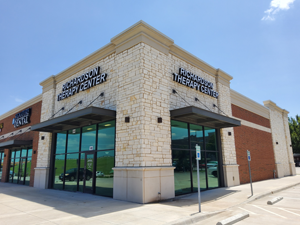 2040 E. Pres. George Bush Hwy Suite. 100
Richardson, TX 75082
Phone: 972-250-5690
Fax: 844-250-2431
Hours: Monday-Thursday 7 a.m. – 7 p.m.
Friday 7 a.m. – 5 p.m.