
Being diagnosed with a SLAP tear or rotator cuff tear doesn’t automatically mean surgery is your next step.
For many shoulder injuries, physical therapy plays an important role in treatment and recovery. It may be recommended as the first treatment before surgery is considered, or it may be an essential part of rehabilitation after shoulder surgery.
While SLAP tears and rotator cuff tears affect different structures of the shoulder, physical therapy for both conditions has a similar goal: reduce pain, restore movement, rebuild strength, and help you safely return to everyday activities.
So, what should you expect from physical therapy?
What Is the Difference Between a SLAP Tear and a Rotator Cuff Tear?
A SLAP tear involves the upper portion of the labrum, the ring of cartilage surrounding the shoulder socket.
A rotator cuff tear involves one or more of the tendons that help stabilize the shoulder and allow you to raise and rotate your arm.
Both conditions can cause:
- Shoulder pain
- Weakness
- Limited range of motion
- Difficulty reaching overhead
- Problems lifting objects
- Pain during certain activities
However, rehabilitation needs can differ depending on which structure is injured, the severity of the tear, and whether you’ve had surgery.
Can Physical Therapy Help a SLAP Tear?
Yes. Many patients begin with nonsurgical treatment.
A physical therapy program for a SLAP tear may focus on improving shoulder mobility, strengthening the muscles surrounding the joint, and correcting movement patterns that place unnecessary stress on the shoulder.
Treatment may include:
- Range-of-motion exercises
- Rotator cuff strengthening
- Shoulder blade strengthening
- Posture and movement training
- Flexibility exercises
- Gradual return to overhead activities
For athletes, rehabilitation may eventually include sport-specific exercises designed to prepare the shoulder for throwing, serving, swimming, or other overhead movements.
Can Physical Therapy Help a Rotator Cuff Tear?
Yes. Physical therapy can improve pain and function for many rotator cuff injuries.
Even when a structural tear remains present, strengthening the surrounding muscles and improving shoulder mechanics may allow the shoulder to function more effectively.
Treatment may focus on:
- Restoring range of motion
- Strengthening the remaining rotator cuff
- Improving shoulder blade stability
- Increasing flexibility
- Improving functional strength
- Reducing compensatory movements
Whether nonsurgical rehabilitation is appropriate depends on factors such as the size of the tear, how it occurred, your symptoms, weakness, activity level, and treatment goals.
What Happens During Your First Physical Therapy Visit?
Your physical therapist will evaluate more than just where your shoulder hurts.
The assessment may include:
- Range of motion
- Shoulder strength
- Shoulder blade movement
- Posture
- Flexibility
- Functional movements
- Activities that reproduce your symptoms
Your therapist will also want to understand what you’re trying to get back to doing.
For one patient, that might mean comfortably reaching into a kitchen cabinet. For another, it could mean returning to golf, tennis, swimming, weight training, or competitive sports.
That information helps guide an individualized rehabilitation plan.
What Does Physical Therapy Focus On?
1. Restoring Shoulder Motion
Pain can cause you to stop moving your shoulder normally. Over time, that can lead to stiffness.
Your therapist may use carefully selected exercises and techniques to gradually restore comfortable movement without unnecessarily stressing the injured tissue.
2. Rebuilding Strength
Your shoulder depends on multiple muscles working together.
Physical therapy commonly strengthens the:
- Rotator cuff
- Shoulder blade stabilizers
- Upper back
- Supporting shoulder muscles
The goal isn’t simply to make the shoulder stronger. It’s to improve how the entire shoulder complex works together.
3. Improving Shoulder Mechanics
Sometimes the way your shoulder moves contributes to continued irritation.
Your therapist can identify compensations or movement patterns that may be increasing stress on injured structures and teach you better ways to perform everyday or athletic movements.
4. Returning to Functional Activities
As strength and motion improve, rehabilitation becomes more functional.
Exercises may gradually simulate activities such as:
- Reaching overhead
- Lifting
- Carrying
- Pushing
- Pulling
- Throwing
- Work-related movements
The progression depends on your individual condition and goals.
What About Physical Therapy After Shoulder Surgery?
Physical therapy becomes especially important when a SLAP tear or rotator cuff tear requires surgery.
However, postoperative rehabilitation is a gradual process.
Immediately after surgery, the repaired tissue needs time to heal. Trying to regain strength too quickly could place unnecessary stress on the repair.
That’s why your surgeon and physical therapist work together to determine when different movements and exercises should begin.
What Are the Stages of Physical Therapy After Surgery?
Although every patient’s recovery is different, postoperative shoulder rehabilitation generally progresses through several stages.
Protection and Healing
Early rehabilitation focuses on protecting the surgical repair while managing discomfort and maintaining appropriate mobility.
A sling may be required depending on the procedure.
Restoring Range of Motion
As healing progresses, your therapist gradually works on improving shoulder movement according to your surgeon’s rehabilitation protocol.
The goal is steady improvement—not forcing the shoulder before it’s ready.
Rebuilding Strength
Strengthening begins when the repaired tissues have healed enough to tolerate additional resistance.
Exercises typically become progressively more challenging as shoulder control improves.
Returning to Normal Activities
Later rehabilitation focuses on the activities that matter to you.
That might include returning to work, household activities, recreational exercise, or sports.
How Long Does Physical Therapy Take?
The answer depends on the injury and treatment.
A patient receiving nonsurgical treatment for a relatively minor shoulder injury may progress much faster than someone recovering from a surgical rotator cuff repair.
Recovery can be influenced by:
- Type and severity of the tear
- Whether surgery was required
- Type of surgical procedure
- Age
- Overall health
- Activity level
- Rehabilitation goals
- Consistency with therapy and home exercises
Rather than focusing only on a calendar, your physical therapist will monitor your progress in areas such as motion, strength, pain, and function.
Can You Do Too Much Too Soon?
Yes—particularly following surgery.
It’s natural to want to get back to normal as quickly as possible, especially when the shoulder begins feeling better.
But feeling better doesn’t necessarily mean the tissue has completely healed.
Progressing exercises too aggressively can irritate the shoulder and, following surgery, potentially place the repair under unnecessary stress.
Follow the rehabilitation plan provided by your surgeon and physical therapist rather than trying to accelerate the process on your own.
Frequently Asked Questions
Can physical therapy prevent shoulder surgery?
For some patients, successful physical therapy can improve pain and function enough that surgery isn’t necessary. However, some injuries may still require surgical treatment. Your orthopedic specialist can help determine the best approach based on your specific tear.
Is PT different after a SLAP repair versus a rotator cuff repair?
Yes. Although the overall goals may be similar, the timing and progression of exercises can differ because different tissues were repaired. Your therapist should follow the rehabilitation protocol appropriate for your surgery.
When can I start strengthening after shoulder surgery?
That decision depends on the procedure and healing process. Strengthening should begin only when your surgeon and physical therapist determine that the repaired tissue is ready.
Why does shoulder rehabilitation take time?
Tendons and other shoulder tissues need adequate time to heal. Rehabilitation must balance protecting those tissues with gradually restoring motion, strength, and function.
Do I need to continue exercises after physical therapy ends?
Many patients benefit from continuing an appropriate home exercise program to maintain shoulder strength, flexibility, and function after formal therapy is completed.
The Bottom Line
Physical therapy can be an important part of recovery from both SLAP tears and rotator cuff tears.
For some patients, PT may help manage the condition without surgery. For others, rehabilitation is essential after surgery to safely restore movement and strength.
The key is having a treatment plan designed around your injury, your treatment, and your goals rather than following a generic shoulder exercise program.
Get Back to the Activities You Enjoy
The physical therapy team at Plano Orthopedic & Sports Medicine Center works closely with our orthopedic specialists to provide coordinated rehabilitation for shoulder injuries and after shoulder surgery.
Whether you’re trying to avoid surgery or recovering from a SLAP or rotator cuff procedure, we’ll help guide you through each stage of rehabilitation with the goal of restoring strength, mobility, and confidence in your shoulder.
Schedule a physical therapy evaluation with Plano Orthopedic & Sports Medicine Center and take the next step toward getting your shoulder—and your life—moving again.
Allen Physical Therapy Center
Contact Us Directly: 972-359-1288
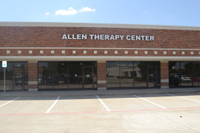 1223 McDermott Suite 50, Allen, TX 75013
Phone: 972-359-1288
Fax: 469-281-2458
Hours: Monday-Thursday 7 a.m. – 7 p.m.
Friday 7 a.m. – 5 p.m.