
If you’ve recently undergone lumbar disc microsurgery—or you’re preparing for the procedure—you may be wondering what recovery will look like.
How soon can you walk? When can you return to work? Will you need physical therapy? And what can you do to protect your back as you heal?
Lumbar disc microsurgery, commonly performed as a microdiscectomy, is designed to relieve pressure on a spinal nerve caused by a herniated disc.
Although surgery may relieve nerve compression, the muscles, joints, and surrounding tissues still need time to recover.
Physical therapy after lumbar disc microsurgery can help restore comfortable movement, improve trunk and hip strength, rebuild endurance, and support a gradual return to normal activities. Rehabilitation should follow the surgeon’s instructions and progress according to the patient’s healing, symptoms, and functional abilities.
At Plano Orthopedic & Sports Medicine Center (POSMC), our physical therapy team helps patients recover from orthopedic conditions and procedures through individualized rehabilitation programs.
Why Is Physical Therapy Important After Lumbar Disc Microsurgery?
Before surgery, many patients have spent weeks or months dealing with back pain, radiating leg pain, or limited mobility.
As a result, they may have reduced their activity levels or changed the way they walk, sit, lift, and move.
Even after nerve compression is relieved, those movement patterns don’t always return to normal immediately.
Physical therapy can help address:
-
Muscle weakness and reduced conditioning
-
Limited walking endurance
-
Stiffness and movement hesitation
-
Poor trunk and hip muscle coordination
-
Difficulty returning to daily activities
-
Fear of bending or moving normally
-
Work-related movement challenges
The goal is not simply to strengthen the back.
It’s to help patients regain confidence in movement while protecting the healing surgical area.
When Should Physical Therapy Begin After Microdiscectomy?
The appropriate starting time varies.
Many patients begin gentle walking soon after surgery, according to their surgeon’s instructions.
Formal outpatient physical therapy may begin later, depending on the procedure, symptoms, and recovery progress.
Some patients may not require supervised therapy immediately.
Your surgeon may initially recommend a walking program and temporary restrictions on lifting, bending, twisting, or strenuous exercise.
Once cleared, a physical therapist can develop a program appropriate for your stage of recovery.
Don’t begin aggressive stretching, heavy lifting, or strenuous core exercises without approval from your surgical team.
What Happens During the First Few Weeks of Recovery?
Early recovery usually focuses on protecting the surgical area and gradually increasing comfortable activity.
Patients may be encouraged to take short walks throughout the day.
Walking can help maintain mobility and conditioning without requiring complex exercises.
Your care team may also provide guidance on:
-
Getting in and out of bed
-
Sitting and standing comfortably
-
Using safe movement strategies
-
Avoiding activities that aggravate symptoms
-
Gradually increasing walking distance
-
Recognizing symptoms that require medical attention
Some discomfort around the incision is expected, but new or worsening neurological symptoms should be reported.
Recovery instructions vary, so the surgeon’s recommendations take priority over general timelines.
How Does Physical Therapy Help Restore Core Strength?
The muscles surrounding the abdomen, spine, pelvis, and hips help support movement and control.
After a period of pain and reduced activity, these muscles may become weaker or less coordinated.
Physical therapy may introduce gentle exercises that improve trunk stability without placing excessive stress on healing tissues.
Depending on the stage of recovery, treatment may include:
Gentle Abdominal Activation
Early exercises may focus on activating the abdominal muscles while maintaining comfortable spinal positioning.
Pelvic and Hip Control
Controlled movements can help improve coordination between the pelvis, hips, and lower back.
Gluteal Strengthening
The gluteal muscles contribute to walking, standing, and lifting mechanics.
Improving hip strength can reduce unnecessary compensation during daily activities.
Progressive Functional Strengthening
As recovery advances, exercises may become more challenging to prepare patients for work, recreation, and normal household activities.
The emphasis should be on controlled progression rather than performing difficult exercises as quickly as possible.
Can Physical Therapy Help With Leg Pain and Numbness?
Lumbar disc microsurgery is often performed to relieve nerve compression responsible for radiating leg pain.
Some patients notice improvement relatively soon after surgery.
However, numbness, tingling, or weakness may take longer to resolve because nerves can recover gradually.
Physical therapy can help address the functional effects of these symptoms through appropriate strengthening, movement training, and balance exercises.
However, physical therapy cannot guarantee that all nerve-related symptoms will disappear.
Persistent or worsening neurological symptoms should be discussed with the surgeon.
How Does Physical Therapy Improve Walking and Endurance?
Walking is an important part of recovery for many patients.
Before surgery, leg pain may have limited how far or how comfortably a person could walk.
After surgery, rebuilding endurance often takes time.
A physical therapist may help establish a gradual walking program based on the patient’s symptoms and tolerance.
As recovery progresses, therapy may address:
-
Walking posture
-
Stride consistency
-
Hip and leg strength
-
Balance
-
Endurance
-
Safe progression to longer distances
The goal is to help patients return to normal movement without rushing the healing process.
What Movements Should Be Avoided After Lumbar Disc Microsurgery?
Restrictions depend on the surgical technique and surgeon’s preferences.
During early recovery, patients may be advised to limit:
-
Heavy lifting
-
Repetitive bending
-
Forceful twisting
-
High-impact exercise
-
Heavy resistance training
-
Activities that reproduce significant nerve pain
These restrictions are usually temporary, but the timing for resuming activities varies.
It’s important not to interpret reduced pain as permission to return immediately to strenuous activity.
Your physical therapist can help you gradually reintroduce movements when your surgeon determines they are appropriate.
Can Physical Therapy Help Prevent Another Herniated Disc?
Physical therapy cannot guarantee that another disc herniation won’t occur.
However, rehabilitation can help patients develop strength, movement control, and activity habits that support overall spinal function.
Therapy may include education about:
-
Safe lifting strategies
-
Gradual return to physical activity
-
Strengthening the trunk and hips
-
Avoiding sudden increases in exercise intensity
-
Managing prolonged sitting
-
Maintaining regular physical activity
These strategies can support long-term back health, even though they cannot eliminate every risk of recurrent disc problems.
When Can You Return to Work After Lumbar Disc Microsurgery?
Return-to-work timing depends on the type of job and the patient’s recovery.
Someone with a desk job may be able to resume certain duties sooner than a person whose work involves frequent lifting, bending, climbing, or physically demanding tasks.
Your surgeon may recommend temporary restrictions or modified duties.
Physical therapy can help patients prepare for work-related activities by improving endurance, movement mechanics, and functional strength.
For physically demanding occupations, rehabilitation may eventually include exercises that simulate job requirements.
The return-to-work plan should be based on medical clearance and the demands of the position.
When Can You Return to Exercise and Sports?
Many patients want to know when they can resume golf, running, cycling, weight training, or other recreational activities.
There isn’t one timeline that applies to everyone.
Returning to exercise depends on:
-
Surgical recovery
-
Pain and neurological symptoms
-
Muscle strength
-
Movement control
-
Endurance
-
Type of activity
-
Surgeon clearance
Low-impact activities may be introduced before higher-impact or more physically demanding exercise.
A physical therapist can help patients progress toward their goals while monitoring their response to increased activity.
What Are the Warning Signs During Recovery?
Most patients recover without major complications, but certain symptoms require medical attention.
Contact your surgical team if you experience increasing pain, worsening leg symptoms, new weakness, fever, or concerning changes around the incision.
Seek emergency medical care for new loss of bladder or bowel control, urinary retention, numbness in the saddle area, or rapidly progressing leg weakness.
These symptoms may indicate serious nerve compression or another urgent complication.
Your surgical team should also provide instructions about wound care and other postoperative warning signs.
How Long Does Physical Therapy Last After Microdiscectomy?
The duration of rehabilitation depends on individual needs.
Some patients recover well with a relatively short supervised program and continued home exercises.
Others benefit from longer rehabilitation because of persistent weakness, reduced conditioning, physically demanding jobs, or additional medical concerns.
Progress is typically measured by improvements in function rather than the number of therapy sessions completed.
Your physical therapist may assess walking tolerance, movement quality, strength, and the ability to perform daily activities.
As you improve, your program can be adjusted to support greater independence.
Frequently Asked Questions About Physical Therapy After Microdiscectomy
Is physical therapy always required after lumbar microdiscectomy?
Not always. Some patients initially recover with walking and a home activity program. Others benefit from supervised rehabilitation. The surgeon determines the appropriate approach.
How soon can I walk after surgery?
Many patients are encouraged to begin walking soon after surgery, but the timing and amount should follow their surgeon’s instructions.
Can physical therapy help with lingering leg weakness?
Yes. Appropriate strengthening and movement training may improve function, although recovery from nerve-related weakness varies.
Should I stretch my lower back after microdiscectomy?
Stretching should be introduced only when appropriate for the stage of healing. Aggressive stretching too early may aggravate symptoms.
Can I lift weights after lumbar disc surgery?
Many patients eventually return to resistance exercise, but lifting should be resumed gradually and only after appropriate clearance.
Will physical therapy keep my disc from herniating again?
No treatment can guarantee that a disc won’t herniate again. Physical therapy can help improve strength, movement mechanics, and overall physical function.
Physical Therapy and Spine Rehabilitation at POSMC
Recovery from lumbar disc microsurgery involves more than waiting for an incision to heal.
It means gradually rebuilding the strength, mobility, and confidence needed for everyday life.
At Plano Orthopedic & Sports Medicine Center, our physical therapy team helps patients recover from orthopedic injuries, spinal conditions, and surgical procedures through individualized rehabilitation.
Our goal is to help you return to work, recreation, and daily activities with an appropriate plan for your recovery.
Whether you’re preparing for lumbar disc surgery or have already undergone a procedure, coordinated orthopedic and physical therapy care can help guide the next steps.
Ready to learn more about spine rehabilitation?
Call 972-250-5700 or visit www.posmc.com to schedule an evaluation and discuss your physical therapy options.
Allen Physical Therapy Center
Contact Us Directly: 972-359-1288
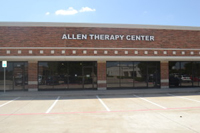 1223 McDermott Suite 50, Allen, TX 75013
Phone: 972-359-1288
Fax: 469-281-2458
Hours: Monday-Thursday 7 a.m. – 7 p.m.
Friday 7 a.m. – 5 p.m.