
If you’ve been diagnosed with frozen shoulder, also known as adhesive capsulitis, you already know how frustrating and painful it can be. Simple tasks like reaching overhead, putting on a jacket, or even sleeping comfortably can become difficult.
At Plano Orthopedic & Sports Medicine Center (POSMC), physical therapy plays a critical role in treating frozen shoulder and restoring movement. In many cases, targeted therapy can significantly reduce pain and stiffness — helping patients avoid surgery altogether.
Here’s what you need to know about how physical therapy helps and what to expect during recovery.
What Is Frozen Shoulder?
Frozen shoulder occurs when the capsule surrounding the shoulder joint becomes inflamed, thickened, and tight. Over time, scar tissue forms, restricting motion and causing pain.
The condition typically progresses through three stages:
-
Freezing Stage – Increasing pain and gradual stiffness
-
Frozen Stage – Severe stiffness with some reduction in pain
-
Thawing Stage – Gradual return of mobility
Physical therapy is beneficial in all three stages, though the approach varies depending on where you are in the recovery process.
Why Physical Therapy Is Essential for Frozen Shoulder
The primary goals of physical therapy for frozen shoulder are:
-
Reduce pain and inflammation
-
Restore range of motion
-
Prevent further stiffness
-
Improve shoulder strength and stability
-
Accelerate recovery time
Without proper therapy, frozen shoulder can last 12–24 months or longer. Structured treatment can shorten this timeline and improve overall outcomes.
At Plano Orthopedic & Sports Medicine Center, our orthopedic specialists work closely with experienced physical therapists to develop personalized rehabilitation plans for each patient.
What to Expect During Physical Therapy for Frozen Shoulder
1. Pain Management Strategies
During the early “freezing” phase, therapy focuses on gentle techniques to manage inflammation and discomfort. This may include:
-
Modalities such as heat or ice
-
Manual therapy techniques
-
Gentle joint mobilization
-
Controlled stretching exercises
The goal is to reduce pain enough to allow safe movement.
2. Range of Motion Exercises
As inflammation improves, restoring mobility becomes the main focus.
Common exercises include:
-
Pendulum swings
-
Passive stretching
-
Assisted overhead raises
-
External rotation stretches
-
Wall climbs
Your therapist will guide you through movements designed to gradually loosen the tight shoulder capsule without causing further irritation.
Consistency is key. Daily at-home exercises are typically recommended alongside in-clinic therapy sessions.
3. Strengthening and Functional Training
Once mobility improves, therapy progresses to strengthening the shoulder muscles, including:
-
Rotator cuff strengthening
-
Scapular stabilization exercises
-
Resistance band exercises
-
Functional movement retraining
Strengthening helps prevent reinjury and supports long-term shoulder health.
How Long Does Physical Therapy Take?
Recovery varies by individual, but many patients attend physical therapy for several weeks to a few months. Improvement is often gradual.
Factors that affect recovery time include:
-
Stage of frozen shoulder
-
Severity of stiffness
-
Underlying conditions such as diabetes
-
Consistency with home exercises
The earlier therapy begins, the better the outcomes tend to be.
When Physical Therapy Alone Isn’t Enough
Most patients improve significantly with conservative treatment. However, additional options may be considered if progress stalls, including:
-
Corticosteroid injections
-
Manipulation under anesthesia
-
Arthroscopic capsular release surgery
If surgery becomes necessary, physical therapy remains a vital part of post-operative recovery.
Benefits of Choosing POSMC for Frozen Shoulder Treatment
At Plano Orthopedic & Sports Medicine Center, patients benefit from:
-
Board-certified orthopedic specialists
-
Coordinated care between physicians and physical therapists
-
Individualized rehabilitation plans
-
Evidence-based treatment protocols
-
Convenient Plano, TX location
Our team focuses on restoring function, relieving pain, and helping you return to work, sports, and daily life as safely and efficiently as possible.
When Should You Seek Treatment?
You should schedule an evaluation if you experience:
-
Shoulder stiffness lasting more than a few weeks
-
Pain that disrupts sleep
-
Difficulty reaching overhead or behind your back
-
Limited shoulder movement compared to the other side
Early diagnosis and physical therapy can significantly reduce long-term stiffness and discomfort.
Start Your Recovery Today
Frozen shoulder doesn’t have to control your life. With expert guidance and structured physical therapy, you can regain mobility and reduce pain.
If you’re experiencing shoulder stiffness or have been diagnosed with frozen shoulder, contact Plano Orthopedic & Sports Medicine Center or visit POSMC.com to schedule an appointment.
Richardson Therapy Center
Contact Us Directly: 972-250-5690
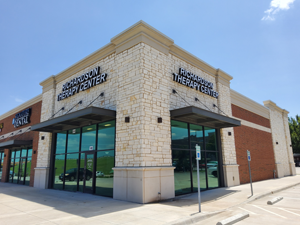 2040 E. Pres. George Bush Hwy Suite. 100
Richardson, TX 75082
Phone: 972-250-5690
Fax: 844-250-2431
Hours: Monday-Thursday 7 a.m. – 7 p.m.
Friday 7 a.m. – 5 p.m.