
Knee surgery is often just the first step in recovery. Physical therapy plays a crucial role after surgery, helping patients regain strength, mobility, and confidence while protecting the surgical repair.
Whether surgery was performed to repair cartilage, address ligament injury, or relieve chronic pain, structured rehabilitation is essential for a successful outcome.
The Role of Physical Therapy After Knee Surgery
After knee surgery, the joint needs time and guided movement to heal properly. Physical therapy helps by:
-
Reducing post-surgical pain and swelling
-
Restoring range of motion
-
Preventing stiffness and scar tissue buildup
-
Rebuilding strength in the knee and surrounding muscles
-
Improving balance and stability
-
Supporting a safe return to daily activities and sports
Without therapy, recovery can be slower and results may be limited.
When Physical Therapy Begins
In most cases, physical therapy starts soon after surgery, sometimes within days. Early, controlled movement helps:
-
Improve circulation
-
Reduce stiffness
-
Encourage proper healing
-
Prevent complications such as weakness or limited mobility
Your surgeon and physical therapist work together to determine the right timeline based on the procedure performed.
What to Expect During Post-Surgical Physical Therapy
Every recovery plan is customized, but post-knee surgery therapy often includes:
-
Gentle range-of-motion exercises
-
Progressive strengthening of the quadriceps, hamstrings, and hips
-
Swelling and pain management techniques
-
Gait training to restore normal walking patterns
-
Balance and coordination exercises
-
Gradual return-to-activity guidance
As healing progresses, exercises are adjusted to safely increase strength and function.
Common Knee Surgeries That Require Physical Therapy
Physical therapy is a key part of recovery after procedures such as:
-
Meniscus repair or removal
-
ACL or ligament reconstruction
-
Cartilage repair procedures
-
Knee arthroscopy
-
Partial or total knee replacement
Each procedure has unique rehab goals, but all benefit from structured therapy.
Why Skipping Physical Therapy Can Delay Recovery
Patients who delay or skip physical therapy may experience:
-
Prolonged stiffness or pain
-
Muscle weakness
-
Reduced range of motion
-
Difficulty returning to normal activities
-
Less optimal surgical outcomes
Physical therapy helps protect the investment made in surgery by maximizing results.
How Long Does Post-Surgical Physical Therapy Last?
The length of therapy varies based on:
-
Type of surgery
-
Individual healing response
-
Activity goals
-
Overall health
Some patients require a few weeks of therapy, while others benefit from several months of progressive rehabilitation.
A Team Approach to Recovery
Successful recovery involves close coordination between your orthopedic surgeon and physical therapist. Progress is monitored regularly to ensure healing stays on track and adjustments are made as needed.
This team-based approach helps patients recover safely and efficiently.
Commit to the Recovery Process
Knee surgery can significantly improve quality of life — but the best outcomes depend on following through with physical therapy.
If you’ve recently had knee surgery or are preparing for one, physical therapy is a critical step toward restoring strength, movement, and confidence.
Start Your Recovery the Right Way
If you’ve had knee surgery, a guided physical therapy program can help you recover safely and return to the activities you enjoy.
Allen Physical Therapy Center
Contact Us Directly: 972-359-1288
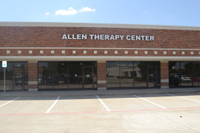 1223 McDermott Suite 50, Allen, TX 75013
Phone: 972-359-1288
Fax: 469-281-2458
Hours: Monday-Thursday 7 a.m. – 7 p.m.
Friday 7 a.m. – 5 p.m.